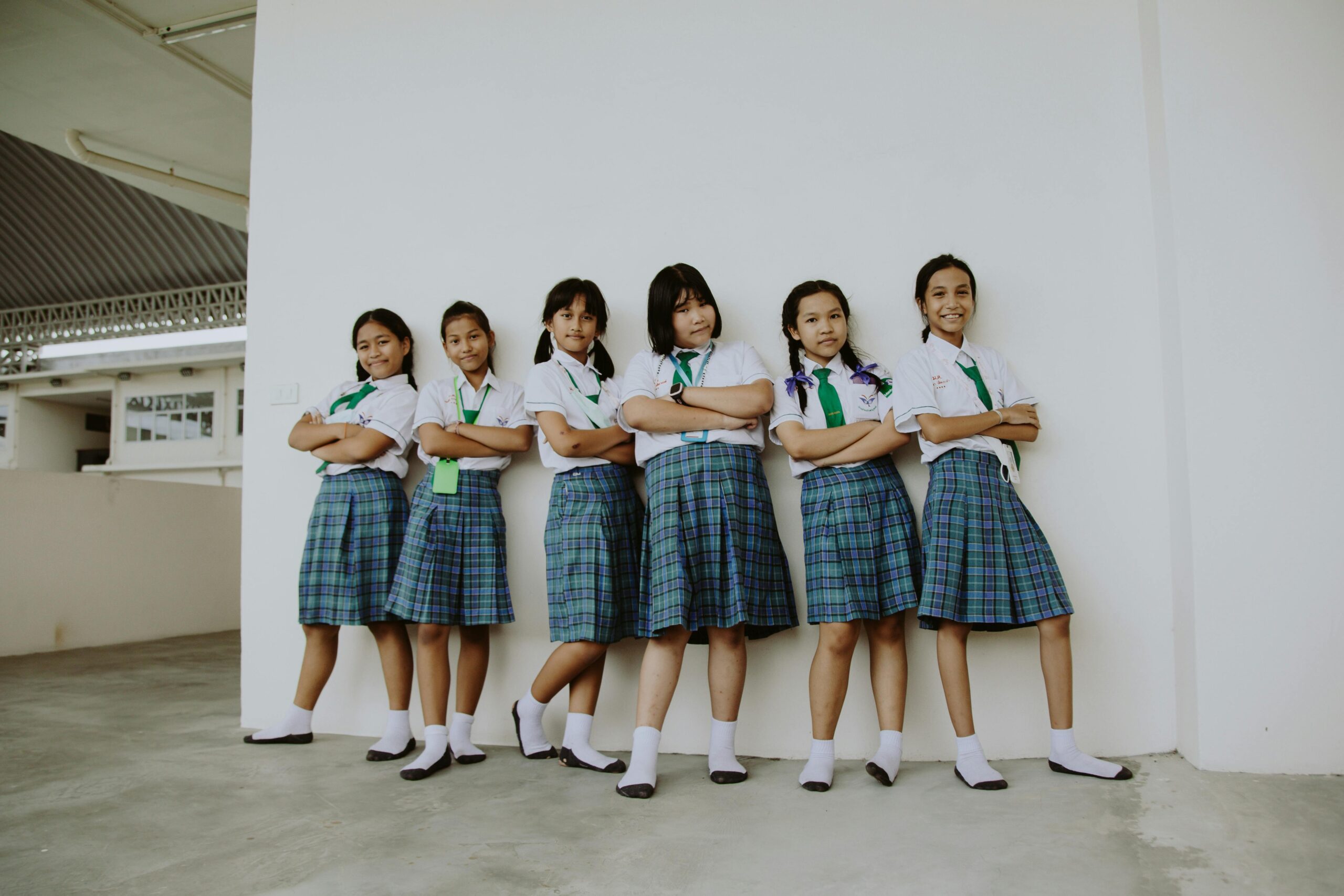
Moving from public to private education represents a significant transition affecting academics, social life, family routines, and expectations. Understanding common challenges and adjustment periods helps families navigate this change successfully. This guide prepares families for the realities of switching from public to private school at any grade level.
Academic Differences and Expectations
Private school curricula often move faster and cover material more deeply than public school programs. Students may encounter content they have never seen or concepts taught differently than previous approaches. This academic gap requires adjustment time and sometimes supplemental support during transition periods.
Homework loads typically increase significantly in private schools compared to public school assignments. Students accustomed to minimal homework may struggle adjusting to nightly assignments requiring one to three hours. Time management skills become essential for handling increased academic demands.
Grading standards and expectations differ between public and private schools. An A student in public school may initially earn Bs or Cs in more rigorous private school environments. This grade adjustment shocks many families expecting similar performance levels across different schools.
Teaching styles in private schools emphasize discussion, critical thinking, and independent analysis more than many public schools. Students comfortable with lecture formats and memorization must adapt to more interactive, inquiry-based approaches. This pedagogical shift requires different study habits and classroom participation.
Assessment methods beyond traditional tests become more common in private schools. Essays, projects, presentations, and portfolios replace some multiple-choice tests. Students need diverse skills demonstrating understanding through various formats rather than relying primarily on test taking abilities.
Social and Cultural Adjustments
Entering established friend groups presents challenges for transfer students at any grade level. Private school students often attend together for many years forming tight social bonds. New students must work harder to break into existing social circles and find their place.
Socioeconomic differences may feel more pronounced in private schools with affluent populations. Students from middle income families sometimes feel out of place among wealthier peers. Conversations about vacations, possessions, or lifestyle experiences can highlight economic disparities.
Cultural norms and unwritten rules differ between schools creating confusion for newcomers. Everything from cafeteria procedures to appropriate behavior during assemblies follows patterns established over years. New students must learn these informal expectations through observation and sometimes awkward mistakes.
Social hierarchies and popularity dynamics already exist when new students arrive. Finding authentic friendships takes time and requires patience during lonely initial periods. Some students adapt quickly while others need months to feel socially comfortable.
Dress codes and appearance expectations affect social acceptance beyond official uniform requirements. Acceptable hairstyles, accessories, and grooming standards follow peer norms that may differ from previous schools. Understanding and conforming to peer expectations while maintaining individuality requires balance.
Family Lifestyle Changes
Morning routines change dramatically with earlier start times and longer commutes to private schools. Families must wake earlier, rush more, and reorganize breakfast and preparation schedules. These lifestyle adjustments affect entire households not just enrolled students.
After-school schedules become more complicated with activities, sports, and homework demands. Family dinners, downtime, and evening routines compete with academic and extracurricular obligations. Finding balance between school demands and family time requires conscious effort.
Financial pressures from tuition affect family spending on other priorities. Vacations, entertainment, dining out, and discretionary purchases may decrease to accommodate tuition payments. Children notice these lifestyle changes even when families try minimizing impact.
Parent involvement expectations at private schools often exceed public school norms. Volunteer requirements, fundraising participation, and attendance at school events demand significant time. Working parents particularly struggle meeting involvement expectations.
Social obligations through school communities expand family calendars. Parent coffees, school galas, and community events create networking opportunities but also social pressure. Some families embrace expanded social lives while others feel overwhelmed by obligations.
Academic Support and Catching Up
Tutoring may be necessary to address gaps between public and private school curricula. Students entering mid-stream often miss foundational concepts taught in earlier grades. Strategic tutoring helps students catch up without falling behind current coursework.
Summer preparation before starting private school eases transitions significantly. Reviewing prerequisite material, strengthening weak subjects, and building study skills creates smoother academic adjustments. Preparation time reduces stress during crucial first months.
Communication with teachers about transition challenges helps them provide appropriate support. Teachers understand transfer students need adjustment periods and usually offer extra help when families communicate openly about struggles. Building teacher relationships early facilitates academic success.
Study skills training helps students manage increased workload and higher expectations. Organization, time management, note taking, and test preparation skills all improve performance. Many students need explicit instruction in strategies that stronger students develop naturally.
Realistic timeline expectations for academic adjustment prevent premature panic. Most students need one full semester to adapt fully to new academic environments. Initial struggles often resolve naturally as students acclimate to expectations and teaching styles.
Emotional and Psychological Transitions
Leaving friends and familiar environments creates genuine grief requiring acknowledgment. Children need permission to feel sad about losses even while feeling excited about new opportunities. Validating complex emotions helps children process transitions healthily.
Confidence often drops initially when students struggle academically or socially in new environments. Previously strong students may doubt their abilities when facing increased competition or different evaluation standards. Parents must maintain confidence in children during vulnerable adjustment periods.
Anxiety about fitting in and meeting expectations affects many transfer students. Worry about making friends, handling harder work, or disappointing parents creates stress. Teaching anxiety management strategies and maintaining realistic expectations reduces pressure.
Identity questions emerge as students figure out who they are in new contexts. Previous identities as top students or popular kids may not transfer to new schools. Discovering new aspects of themselves while maintaining core identity takes time and causes uncertainty.
Homesickness for previous schools and friends can last months into transitions. Children may idealize former schools while struggling at new ones. This backward-looking perspective gradually shifts as new positive experiences accumulate.
Navigating Different Educational Philosophies
Teaching methods in private schools may contrast sharply with public school approaches. Progressive private schools emphasizing student directed learning confuse students from traditional public schools. Traditional private schools feel rigid to students from progressive public programs.
Classroom participation expectations differ significantly between schools. Private schools often require active participation and discussion while public schools may emphasize listening and note taking. Students must adapt to new participation norms quickly.
Grading philosophies around effort versus achievement vary between institutions. Some schools reward effort generously while others grade strictly on mastery. Understanding new grading philosophies prevents misunderstandings about performance feedback.
Homework purposes differ between schools with some emphasizing practice and others assessing independent work. Students must understand what homework accomplishes in new contexts and how teachers evaluate completion and quality. Misunderstanding homework purposes leads to poor performance.
Technology integration varies dramatically between schools affecting study methods and assignment formats. Some private schools embrace technology fully while others limit digital tools. Students must adapt to whatever technology philosophy their new school embraces.
Managing Parent Expectations and Pressure
Parents often project high expectations onto children following significant tuition investments. Pressure to justify expensive education choices creates unhealthy stress for students. Parents must resist making children feel responsible for validating family decisions.
Comparisons to previous school performance become problematic during transitions. Different grading standards and competition levels make direct comparisons meaningless. Focusing on growth and effort rather than grades maintains healthy perspectives.
Disappointment when private school experiences do not meet idealized expectations affects many families. No school is perfect and all have limitations and problems. Accepting imperfection while appreciating strengths creates realistic satisfaction.
Communication between parents and children about transition experiences must remain open and judgment free. Children need safe spaces expressing struggles without facing criticism or disappointment. Supportive listening helps children process challenges constructively.
Balancing high standards with patience during adjustment periods requires conscious effort. Expecting immediate excellence undermines confidence while accepting poor performance enables underachievement. Finding appropriate middle ground supports students optimally.
Building Connections in New Communities
Initiating social contact requires more effort from transfer students than established community members. Introducing yourself, suggesting get togethers, and showing interest in others all fall on new students. Proactive social effort accelerates friendship development.
Participating in activities and clubs provides natural social connection opportunities. Shared interests create conversation topics and regular interaction building relationships. Activity involvement works better than hoping friendships develop spontaneously.
Attending school events and games shows school spirit and provides casual social interaction. Visibility at school functions helps new students become recognized community members. Regular attendance signals commitment to school communities.
Patience during friendship formation prevents premature conclusions about social fit. Meaningful friendships take months to develop regardless of school environment. Expecting instant social success creates unnecessary anxiety and disappointment.
Maintaining previous friendships while building new ones provides social stability during transitions. Old friends offer emotional support and continuity when new environments feel uncertain. Balancing old and new relationships supports wellbeing throughout adjustment periods.
Recognizing When Transitions Are Not Working
Persistent unhappiness beyond normal adjustment periods suggests potential poor fit. While initial struggles are normal, ongoing misery months into transitions indicates serious problems. Families must distinguish between adjustment challenges and fundamental incompatibility.
Academic failure despite reasonable effort signals curriculum misalignment. Students who work hard but consistently fail suggest the academic program exceeds their current abilities. Continuing in programs where students cannot succeed damages confidence and learning.
Social isolation despite efforts to connect may indicate cultural mismatch. Not every child fits every school community regardless of quality. When social integration fails despite genuine effort, the environment may simply not suit particular children.
Physical symptoms including stomachaches, headaches, or sleep problems often reflect school-related stress. Unexplained physical complaints warrant attention as potential indicators of excessive pressure or unhealthy environments.
Significant behavioral or emotional changes including depression, anxiety, or acting out require immediate attention. New schools should not fundamentally change children’s personalities. Major changes suggest serious problems needing professional evaluation.
Making the Transition Successful Long Term
Set realistic timelines expecting full adjustment to take one complete school year. Quick adaptation by some students should not create pressure for others needing more time. Individual adjustment speeds vary normally.
Celebrate small victories and progress markers rather than waiting for complete transformation. Recognizing improvements maintains motivation during long adjustment processes. Small successes accumulate into significant progress over time.
Maintain open communication with teachers and administrators throughout transition periods. Schools want transfer students to succeed and typically provide support when families communicate needs clearly. Partnership between home and school optimizes outcomes.
Preserve family priorities and values despite school pressures. Schools should enhance rather than replace family culture and beliefs. Maintaining family identity while adapting to school norms creates healthy balance.
Remember that choosing private school does not obligate staying regardless of fit. If transitions prove unsuccessful despite good faith efforts, returning to public school or trying different private schools represents legitimate choices. Educational decisions should always serve children’s wellbeing above all else.
Transitioning from public to private school challenges families but careful preparation and realistic expectations facilitate successful adjustments. Most students ultimately thrive in new environments when given appropriate time, support, and understanding throughout transition periods.