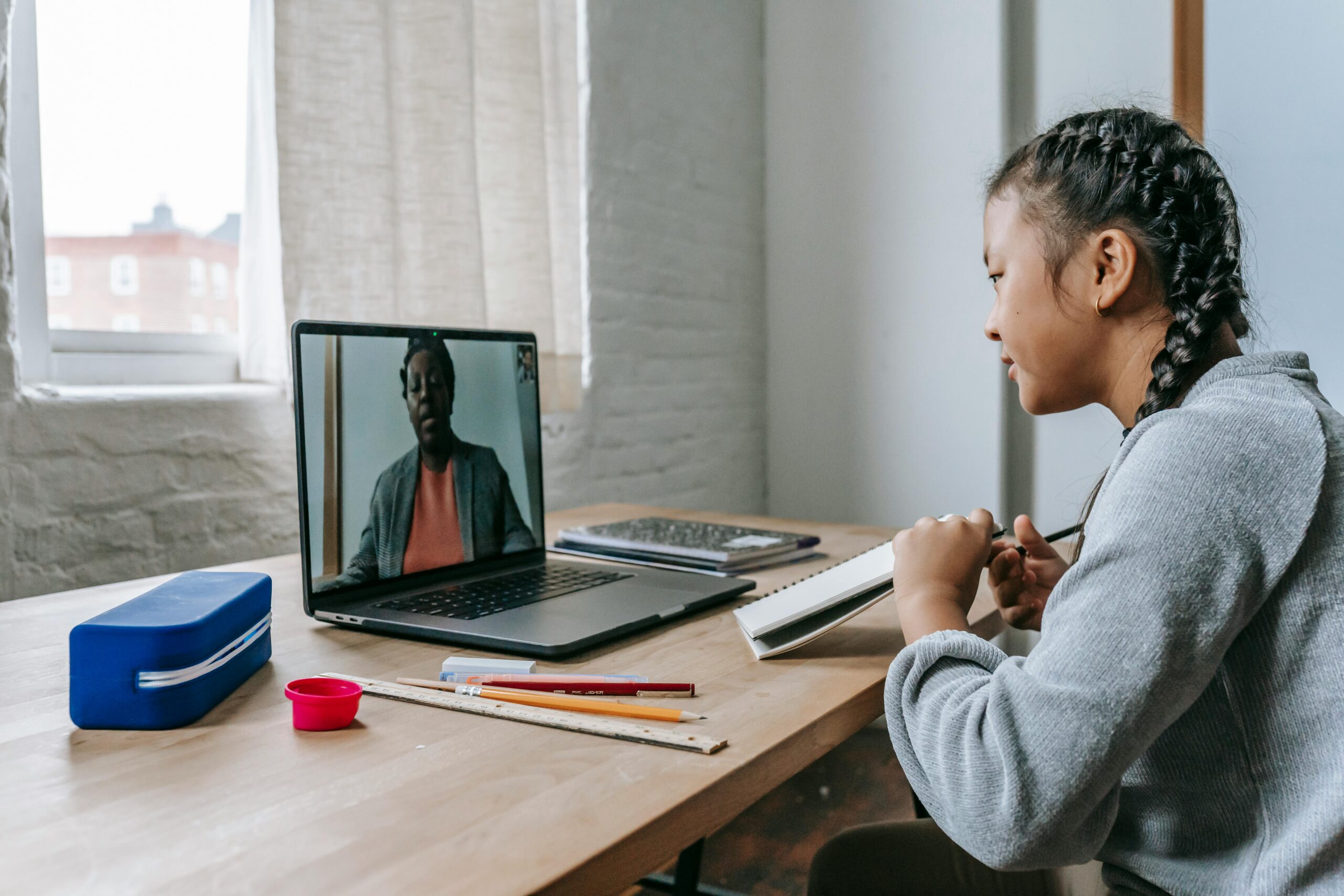
Private education no longer requires daily physical attendance at brick-and-mortar campuses. Virtual private schools, hybrid programs, and flexible learning models have expanded dramatically, offering families alternatives to traditional enrollment. This guide explores these modern options, helping families understand when virtual or hybrid private education makes sense and how to evaluate quality in non-traditional formats.
Understanding the Virtual Private School Landscape
Fully online private schools deliver complete curricula through digital platforms with no physical campus attendance required. Students complete coursework, attend live virtual classes, submit assignments, and interact with teachers entirely online. These schools serve students globally without geographic limitations.
Synchronous online learning requires students to attend live virtual classes at scheduled times. Teachers conduct real-time instruction via video conferencing, and students participate through cameras, microphones, and chat functions. This format mimics traditional classroom schedules while allowing remote attendance.
Asynchronous online learning allows students to complete coursework on flexible schedules without live class attendance. Pre-recorded lessons, digital assignments, and independent pacing characterize this approach. Students work when convenient rather than following fixed daily schedules.
Hybrid models combine online and in-person instruction in various ratios. Some programs meet on campus two or three days weekly with online work the remaining days. Others feature monthly in-person intensives supplemented by daily online learning. These blended approaches attempt to capture advantages of both formats.
Microschools and learning pods represent small-group models where students gather physically at homes or community spaces while following online curricula together. Adults facilitate learning and provide supervision while professional teachers deliver instruction remotely. These arrangements blend social interaction with virtual teaching.
When Virtual or Hybrid Options Make Sense
Geographic isolation without adequate local school options makes virtual private school attractive for rural families. Students in areas lacking quality schools can access excellent education without relocating. Distance learning overcomes geographic barriers that previously limited educational choices.
Medical conditions or disabilities preventing regular school attendance create situations where virtual learning becomes necessary. Students with chronic illnesses, compromised immune systems, or mobility challenges can continue education despite health barriers. Virtual schooling provides access when physical attendance proves impossible.
Elite athletic or artistic training requiring extensive travel or irregular schedules conflicts with traditional school attendance. Young athletes training for Olympic sports, actors working professionally, or musicians touring need flexible education accommodating demanding schedules. Virtual programs allow continued academic progress alongside specialized pursuits.
Family circumstances including frequent relocations, international travel, or unconventional living situations favor virtual education’s portability. Military families, foreign service families, or those traveling extensively benefit from consistent education regardless of location. Virtual schooling travels wherever families go.
Student anxiety or social challenges so severe that physical school attendance becomes impossible sometimes necessitate virtual alternatives. While not ideal long-term solutions for social difficulties, virtual schooling can provide interim educational continuity while students receive treatment. Temporary virtual enrollment beats complete school avoidance.
Pandemic concerns or public health situations may lead families to prefer virtual options even when capable of in-person attendance. COVID-19 demonstrated that some families prioritize health safety over traditional schooling methods. Virtual private schools offer alternatives to families uncomfortable with physical school risks.
Evaluating Virtual Private School Quality
Accreditation from recognized bodies indicates that schools meet minimum quality standards. Regional accreditation organizations, state education departments, or national online learning accreditors provide oversight. Unaccredited schools operate without external quality verification and should raise red flags.
Teacher qualifications and credentials matter just as much online as in traditional schools. Certified teachers with subject expertise and online teaching training provide quality instruction. Schools employing uncertified or poorly trained instructors deliver inferior education regardless of platform.
Live teacher interaction distinguishes quality online schools from cheap correspondence courses. Students need regular synchronous sessions with teachers, not just automated lessons and computer grading. Human connection and personalized feedback remain essential even in virtual formats.
Curriculum rigor and alignment with standards ensure academic quality. Strong virtual schools follow recognized curricula meeting or exceeding state standards. Weak programs offer watered-down content or fail to prepare students adequately for standardized tests and future academic challenges.
Student-to-teacher ratios affect personalized attention just as they do in physical classrooms. Virtual classes with thirty students prevent meaningful interaction while those with ten to fifteen allow substantial engagement. Small class sizes enable effective virtual instruction.
College acceptance records for virtual school graduates demonstrate whether programs prepare students successfully. Schools whose graduates attend competitive colleges prove their academic credibility. Those with weak college placement records may not provide adequate preparation.
Technology Requirements and Considerations
Reliable high-speed internet access represents the fundamental requirement for virtual schooling. Families without consistent internet connectivity cannot successfully participate in online education. Technology inequity creates barriers excluding some families from virtual options.
Appropriate devices including computers, tablets, webcams, and headsets enable full participation. Smartphones alone prove insufficient for most virtual learning activities. Families must budget for necessary technology purchases and ongoing maintenance.
Technical support from schools helps families troubleshoot problems quickly. Quality virtual schools provide responsive help desks assisting with login issues, software problems, and connectivity challenges. Poor technical support creates frustrating barriers to learning.
Digital literacy skills required for virtual learning develop over time. Younger students need more adult support navigating platforms, managing files, and troubleshooting problems. Older students gain independence gradually but still face learning curves with new systems.
Screen time concerns intensify with virtual schooling requiring hours of daily computer use. Families must balance educational screen time with physical activity, outdoor play, and screen-free activities. Managing healthy technology use becomes more challenging with virtual school.
Cybersecurity and online safety require vigilance in virtual school environments. Students interact with peers and teachers digitally, creating potential risks. Schools should maintain clear safety protocols and educate families about digital citizenship and online risks.
Social Development in Virtual Settings
Socialization represents the most significant concern about virtual private schooling. Students miss daily face-to-face peer interaction that traditional schools provide naturally. Families must intentionally create social opportunities outside school to prevent isolation.
Virtual schools often organize in-person gatherings including field trips, social events, and activity days. These periodic face-to-face meetings allow students to build relationships beyond screens. Frequency and quality of these events vary dramatically between schools.
Online clubs, activities, and student organizations provide virtual social interaction. Students can join interest-based groups meeting via video conference for games, discussions, or collaborative projects. While not replacing physical interaction, these activities offer some social connection.
Extracurricular activities in local communities supplement virtual school social experiences. Sports teams, music lessons, art classes, and volunteer work provide in-person social engagement. Families must actively seek and facilitate these opportunities.
Social skills development may lag in purely virtual environments. Reading social cues, navigating group dynamics, and managing conflict all happen differently online versus in-person. Students need real-world practice developing complete social competence.
Friendship formation proves more challenging virtually than in traditional settings. Deep friendships typically require regular face-to-face interaction. Virtual school students may develop online acquaintances but struggle to build close friendships without physical proximity.
Parent Involvement and Supervision Requirements
Virtual schooling demands significantly more parent involvement than traditional school attendance. Parents must ensure students log in consistently, complete assignments, and stay engaged. This supervision requirement particularly affects working parents or those with multiple children.
Learning coach responsibilities fall primarily on parents in virtual settings. Younger students especially need adults nearby helping them navigate platforms, stay on task, and understand assignments. This intensive support proves challenging for families where all adults work full-time.
Motivation and self-discipline become parent responsibilities when students work from home. Teachers cannot monitor student engagement as closely virtually as in physical classrooms. Parents must ensure children remain focused and productive throughout school days.
Creating dedicated learning spaces at home free from distractions supports virtual learning success. Students need appropriate furniture, good lighting, quiet environments, and minimal interruptions. Not all homes can easily provide these ideal learning conditions.
Scheduling flexibility that virtual school offers becomes a double-edged sword. While flexibility allows accommodation of family needs, it also requires significant organizational skills to maintain consistent routines and ensure work completion.
Academic Integrity and Assessment Challenges
Preventing cheating proves more difficult in virtual environments. Students taking tests at home with internet access can easily look up answers or receive unauthorized help. Schools must develop creative assessment approaches ensuring honest demonstration of knowledge.
Proctored online testing using webcam monitoring attempts to prevent cheating during high-stakes assessments. However, these systems raise privacy concerns while remaining imperfect at catching all dishonest behavior. The arms race between cheating methods and detection continues.
Project-based assessment and authentic demonstration of skills provide alternatives to traditional testing. When students create original work, give presentations, or solve novel problems, cheating becomes more difficult. These assessment methods work well in virtual formats.
Teacher relationships enabling personalized assessment help ensure academic honesty. Teachers who know students well and engage regularly can often detect when work seems inconsistent with student abilities. Personal connection supports integrity.
Honor codes and character education emphasizing intrinsic motivation over grades foster honest academic behavior. Schools must cultivate cultures valuing learning over performance metrics. However, building these cultures virtually presents challenges.
Special Education and Support Services Virtually
Providing legally required special education services virtually creates complications. Individualized Education Plans may specify in-person services difficult to replicate online. Families of students with disabilities must carefully evaluate whether virtual schools can meet their children’s needs.
Occupational therapy, speech therapy, and physical therapy adapt to virtual delivery with varying success. Some therapeutic interventions work reasonably well via video while others require physical presence. Assess specific services your child needs and how effectively schools can deliver them remotely.
Executive function support and organizational coaching benefit many students in virtual settings. Some virtual schools provide dedicated coaches helping students develop time management, planning, and organizational skills. These supports become particularly important when physical structure of traditional school is absent.
Accommodations like extended time or reduced distraction environments often transfer easily to home learning. Students can take tests in quiet rooms without time pressure more easily at home than in busy classrooms. Some accommodations actually work better in virtual formats.
Social-emotional support and counseling services offered virtually help students manage anxiety, stress, or other mental health concerns. However, teletherapy works better for some students than others. Quality of virtual counseling varies significantly between providers.
Comparing Costs of Virtual Versus Traditional Private Schools
Virtual private school tuition typically costs less than traditional private school because schools avoid facilities expenses. Savings from not operating physical campuses allow lower tuition. However, virtual schools still cost significantly more than free public virtual options.
Technology costs shift to families in virtual schooling. Parents must purchase computers, software, internet service, and other technology that traditional schools often provide. These expenses offset some tuition savings.
Transportation costs disappear with virtual schooling, generating substantial savings for families living far from school. Eliminating daily commutes saves time, fuel costs, and vehicle wear. This represents significant financial and time benefits.
Childcare or supervision costs may increase with virtual school. Parents unable to supervise children during school hours must arrange care. Traditional schools provide built-in supervision during the day that virtual schools do not.
Hidden costs including printer supplies, art materials, and science supplies for home experiments add up. Virtual schools conducting hands-on activities send materials or require families to purchase supplies. Budget for these ongoing expenses beyond tuition.
Transitioning Between Virtual and Traditional Schooling
Students moving from traditional to virtual schooling face adjustment periods learning new platforms, managing increased independence, and adapting to reduced social interaction. This transition requires patience and support. Not all students adapt successfully.
Returning to traditional school after virtual attendance can shock students accustomed to flexible schedules and home learning. The rigid structure, constant social interaction, and physical presence demand of traditional schools may overwhelm students after extended virtual enrollment.
Credit transfers between schools sometimes create complications. Ensure virtual school courses will be accepted by future schools including traditional private schools, public schools, or colleges. Verify accreditation and transcript acceptance before enrolling.
Social reintegration after virtual schooling requires intentional effort. Students must rebuild skills navigating in-person peer interactions, classroom dynamics, and physical school environments. Expect an adjustment period when transitioning back to traditional settings.
Making the Decision About Virtual Private School
Virtual private schooling works well for some students and families while proving disastrous for others. Success depends on student self-motivation, family circumstances, available support, and specific program quality. Honest assessment of fit determines appropriate choices.
Trial periods allow families to test virtual learning before full commitment. Some schools permit semester or quarter enrollment rather than requiring full-year commitments. Trying virtual school with an exit strategy protects against poor fits.
Backup plans for returning to traditional school if virtual learning fails will provide safety nets. Maintaining relationships with local schools and understanding re-entry processes prevents being stranded if virtual school does not work.
Regular evaluation of virtual school fit ensures arrangements continue serving student needs. What works in elementary grades may not work in high school. Families should reassess periodically rather than assuming permanent enrollment.
Virtual and hybrid private school options expand educational possibilities beyond traditional campus-based models. When carefully selected and appropriately matched to student and family needs, these innovative formats provide quality education with flexibility traditional schools cannot offer. However, virtual learning requires different support, creates unique challenges, and suits some students far better than others. Thoughtful evaluation of both opportunities and limitations enables families to make informed decisions about whether virtual private education serves their particular circumstances.